March 30, 2026
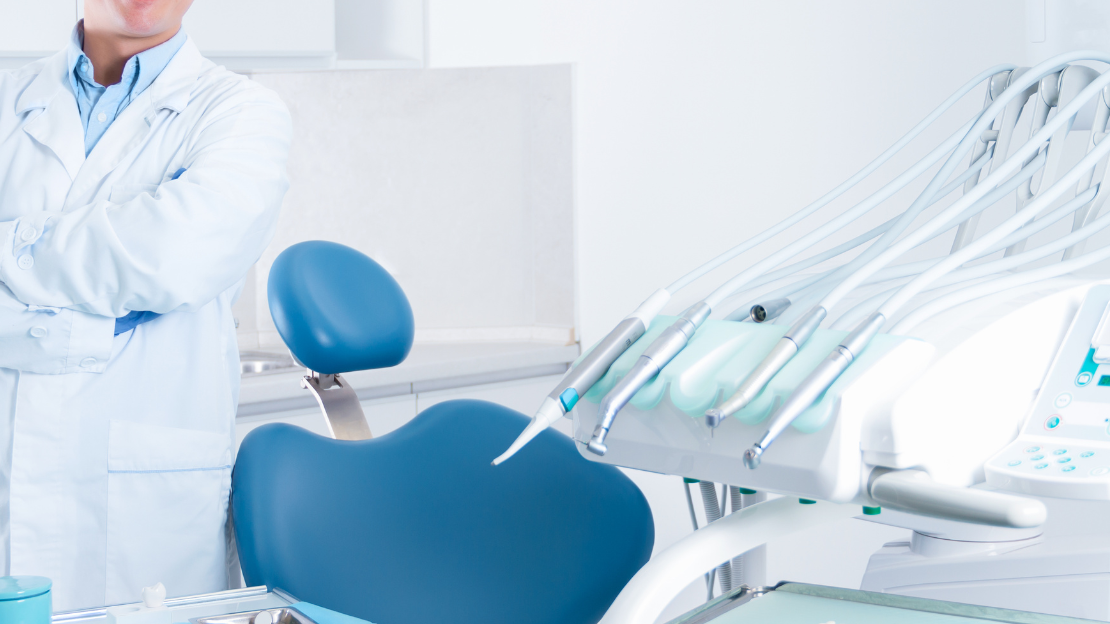
When it comes to achieving a straighter, healthier smile, many people find themselves pondering the orthodontist vs dentist debate. Both professionals play vital roles in oral health, but understanding the difference between an orthodontist and a dentist can help you make an informed decision about who straightens teeth most effectively. At MKY Orthodontics, we often hear questions like, "Can my general dentist handle braces or Invisalign?" or "What's the real benefit of seeing an orthodontist?" In this blog, we'll explore these topics in depth, highlighting why specialized care matters for your family's dental journey.
Whether you're a parent researching options for your child's early orthodontic needs or an adult seeking discreet alignment solutions, knowing when to see an orthodontist versus a dentist can lead to better outcomes. We'll break down their roles, training, services, and more, while integrating insights tailored to real-life scenarios. By the end, you'll have a clear path forward for that perfect smile.
Understanding the Basics: What Is a Dentist?
A dentist, often referred to as a general dentist, is your go-to professional for overall oral health maintenance. Think of them as the primary care physicians for your mouth; they handle a broad spectrum of preventive and restorative treatments to keep your teeth and gums healthy.
Dentists complete four years of dental school after earning an undergraduate degree, focusing on diagnosing and treating common dental issues. Their expertise includes:
-
Routine cleanings and check-ups to prevent cavities and gum disease.
-
Fillings, crowns, and root canals for repairing damaged teeth.
-
Extractions for problematic teeth, such as wisdom teeth.
-
Cosmetic procedures like teeth whitening or veneers to enhance appearance.
In the orthodontist vs dentist comparison, dentists excel at general care that addresses immediate concerns. For instance, if you have a toothache or need a filling, your dentist is the first line of defense. They also perform screenings for oral cancer and educate patients on daily hygiene practices, like proper brushing and flossing techniques.
However, when it comes to complex alignment issues, a dentist's training is more generalized. While some dentists may offer basic orthodontic services, such as simple aligners for minor corrections, they don't specialize in the intricate science of tooth movement. This is where the difference between an orthodontist and a dentist becomes most apparent. Dentists manage the "what" of dental health, but orthodontists dive deep into the "how" of alignment.
What Is an Orthodontist? Specialists in Alignment and Bite Correction
An orthodontist is a dental specialist who focuses exclusively on straightening teeth, correcting bites, and aligning jaws. All orthodontists are dentists first, but they undergo additional rigorous training to become experts in orthodontics. After completing dental school, orthodontists spend two to three more years in a specialized residency program, where they learn advanced techniques for diagnosing and treating malocclusions (misaligned bites) and other orthodontic conditions.
This extra education, often totaling over 10,000 hours of specialized practice, equips orthodontists to handle cases that go beyond basic dental care. They use tools like braces and clear aligners to gradually shift teeth into optimal positions, improving not just aesthetics but also function and long-term health. Key responsibilities of an orthodontist include:
-
Evaluating jaw development and tooth alignment through X-rays, 3D scans, and impressions.
-
Creating personalized treatment plans for issues like overbites, underbites, crossbites, crowded teeth, or gaps.
-
Monitoring progress over months or years to ensure safe, effective results.
-
Addressing related concerns, such as speech impediments or chewing difficulties caused by misalignment.
In the dentist vs orthodontist for Invisalign or braces discussion, orthodontists are the clear choice for comprehensive care. Their specialized knowledge ensures treatments are tailored to individual needs, reducing risks like uneven wear on teeth or jaw strain.
Key Differences Between an Orthodontist and a Dentist
The orthodontist vs dentist distinction boils down to scope, training, and expertise. While both are essential for oral health, their paths diverge significantly after dental school.
Education and Training
Dentists graduate from dental school with a Doctor of Dental Surgery (DDS) or Doctor of Dental Medicine (DMD) degree, preparing them for general practice. Orthodontists build on this foundation with an accredited orthodontic residency, involving thousands of hours of hands-on training in biomechanics, facial growth, and appliance design. This makes orthodontists uniquely qualified to predict how treatments will affect your smile over time.
Services Provided
Dentists focus on preventive and restorative care, such as cleanings, fillings, and extractions. Orthodontists specialize in corrective treatments like braces and Invisalign, which require precise planning to move teeth safely. For example, while a dentist might spot misalignment during a check-up, an orthodontist designs the step-by-step plan to fix it.
When to Choose One Over the Other
If your concern is general maintenance or acute issues like pain or decay, see a dentist. But for straightening teeth or bite corrections, consult an orthodontist. Misalignment can lead to complications like TMJ disorders or uneven tooth wear, which orthodontists are trained to prevent.
Why Choose an Orthodontist for Straightening Your Teeth?
When asking "who should straighten your teeth," the answer is often an orthodontist, especially for optimal results. Their specialization leads to more efficient treatments, fewer complications, and enhanced durability.
Expertise in Complex Cases
Orthodontists handle everything from simple spacing issues to severe malocclusions. Their training allows them to use advanced diagnostics, like digital scanning, to create precise plans. This expertise is crucial for children and teens, where early intervention can guide jaw growth and prevent future problems.
Better Long-Term Oral Health
Straight teeth are easier to clean, reducing the risk of cavities, gum disease, and enamel wear. Orthodontic treatment also improves bite function, aiding digestion and speech. Studies show that properly aligned teeth contribute to overall well-being, boosting confidence and self-esteem, particularly in growing children.
Advanced Technology and Options
Orthodontists stay at the forefront of innovations, offering options like clear aligners that are discreet and comfortable. This contrasts with general dentists, who may not have the same depth of experience with these tools.
Orthodontic Services at MKY Orthodontics: Tailored for Your Family
At MKY Orthodontics, we align our services with your family's unique needs, with an emphasis on modern, kind, and lifestyle-focused care. As a Top 1% Diamond Plus Invisalign Provider, we specialize in treatments that fit seamlessly into busy lives.
Invisalign: Discreet and Effective
Our flagship service, Invisalign, uses clear, removable aligners to straighten teeth without the visibility of traditional braces. Ideal for teens and adults, it's customizable and allows for easy eating and cleaning. We integrate the latest technology for precise results, ensuring comfort and efficiency.
Traditional Braces: Reliable for All Ages
For more complex cases, we offer traditional braces, which provide strong, controlled movement. These are particularly effective for children, addressing early orthodontic needs like crowded teeth or bite issues.
Early Orthodontics for Children
We recommend evaluations around age 7 to catch developing problems early, aligning with our family-centered approach. This preventive care can simplify future treatments and promote healthy jaw development.
Our services are designed with flexibility in mind, including financing options and transparent communication to make orthodontics accessible. We focus solely on these specialized treatments, ensuring every patient receives expert attention.
Common Misconceptions About Orthodontist vs Dentist
Many believe dentists can handle all orthodontic needs, but this isn't always true. While some
Dentists offer basic aligners; complex cases require an orthodontist's precision to avoid suboptimal results.
Another myth: Orthodontic treatment is only for kids. Adults make up a growing portion of our patients, benefiting from discreet options like Invisalign.
Finally, cost is often overestimated. With financing and insurance, specialized care can be comparable to general dental services, offering better value through lasting outcomes.
Trust the Specialists for a Lifetime of Smiles
In the orthodontist vs dentist debate, both are invaluable, but when it comes to who should straighten your teeth, orthodontists bring unmatched expertise. Their advanced training ensures safe, effective alignment that enhances health and confidence. At MKY Orthodontics, our orthodontists, led by Dr. Richard Kaye and Dr. Benjamin Yucha, both Top 1% Diamond Plus Invisalign Providers, draw on decades of experience to deliver personalized care. We prioritize family dynamics, using cutting-edge technology to create smiles that fit your life. Whether through Invisalign or braces, our goal is a natural, flowing transformation that lasts.
Ready to start? Schedule a complimentary smile assessment today and experience the MKY difference.
FAQs
What is the main difference between an orthodontist and a dentist?
The key difference between an orthodontist and a dentist lies in specialization. Dentists handle general oral health, while orthodontists focus on aligning teeth and jaws with additional years of training.
Can a dentist straighten my teeth?
Some dentists offer basic straightening, but for complex issues, an orthodontist is better equipped to ensure safe, long-term results.
When should I see an orthodontist instead of a dentist?
See an orthodontist for misalignment, bite problems, or straightening needs. For routine cleanings or fillings, visit your dentist.
What is an orthodontist qualified to do that a dentist isn't?
Orthodontists are experts in orthodontic appliances like braces and Invisalign, with specialized knowledge in jaw development and tooth movement.
Is Invisalign only available through orthodontists?
Some dentists provide it, and orthodontists have more experience, leading to better customization and outcomes.
How does early orthodontic care benefit children?
Early evaluations can guide jaw growth, prevent severe issues, and make future treatments simpler and shorter.