December 16, 2025
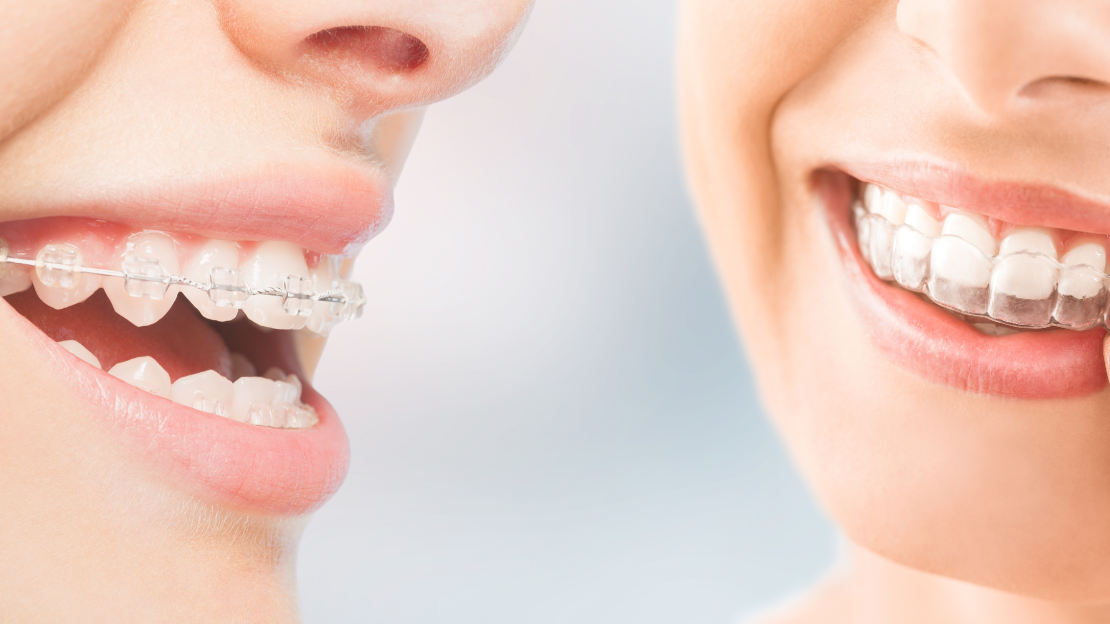
Choosing between traditional braces and clear aligners is one of the most important decisions you'll make on your journey to a straighter, healthier smile. If you're feeling overwhelmed by the options, you're not alone. Many patients in Moorestown and Mount Holly, New Jersey, come to our practice asking the same question: which treatment will give me the best results while fitting seamlessly into my lifestyle?
The truth is, both traditional braces and clear aligners are highly effective orthodontic treatment options. However, they work differently, require different levels of commitment, and suit different types of cases. Understanding these distinctions will empower you to make the right choice for your unique situation. Whether you're an adult professional seeking discreet treatment or a parent exploring options for your teenager, this comprehensive guide will help you navigate the decision with confidence.
Understanding Traditional Braces: The Time-Tested Solution
Traditional braces have been the gold standard in orthodontic care for over a century, and for good reason. This proven treatment method uses a system of metal or ceramic brackets bonded to your teeth, connected by wires that apply gentle, consistent pressure to gradually shift teeth into their ideal positions.
How Traditional Braces Work
The process begins with your orthodontist carefully bonding small brackets to the front surface of each tooth. A thin archwire threads through these brackets, and small elastic bands or ties hold everything securely in place. During regular adjustment appointments, your orthodontist tightens or replaces these wires to continue guiding your teeth toward their optimal alignment.
Types of Traditional Braces
Modern orthodontics offers several variations of traditional braces:
-
Metal Braces: The most common and economical option, featuring stainless steel brackets and wires. Today's metal braces are smaller and more comfortable than previous generations, making them less noticeable than you might expect.
-
Ceramic Braces: These function identically to metal braces but use tooth-colored or clear ceramic brackets that blend with your natural tooth color, offering a more aesthetic appearance while maintaining the effectiveness of traditional treatment.
-
Lingual Braces: Positioned on the back surface of teeth rather than the front, lingual braces provide completely hidden treatment. However, they typically cost more and may require a longer adjustment period for speaking and eating.
Benefits of Traditional Braces
Traditional braces excel at treating a comprehensive range of orthodontic issues. They're particularly effective for complex cases involving severe crowding, significant bite misalignments, rotated teeth, and substantial jaw discrepancies. Because they're fixed to your teeth throughout treatment, results don't depend on patient compliance—the braces are working around the clock.
For younger patients, this fixed nature is particularly advantageous. Parents don't need to worry about their child forgetting to wear their orthodontic appliance or misplacing it at school. The treatment progresses consistently regardless of the patient's responsibility level.
Traditional braces often present a more budget-friendly option, with many orthodontic practices offering flexible payment plans to make treatment accessible. Insurance coverage typically extends to traditional braces for both children and adults.
Treatment Duration and Process
Most patients wear traditional braces for eighteen to thirty-six months, though your specific timeline depends on the complexity of your case. You'll visit your orthodontist every four to eight weeks for adjustments, where your provider will evaluate progress and make necessary modifications to keep treatment on track.
Best Candidates for Traditional Braces
Traditional braces work exceptionally well for patients with severe orthodontic concerns, including significant overcrowding, major bite problems, or teeth that require substantial rotation. They're also ideal for younger patients who may struggle with the discipline required for removable aligners, or for anyone seeking the most economical treatment option.
Understanding Clear Aligners: Modern Orthodontic Innovation
Clear aligners represent a revolutionary approach to orthodontic treatment, combining cutting-edge technology with patient-centered design. These virtually invisible plastic trays have transformed how adults and image-conscious teens approach teeth straightening.
How Clear Aligners Work
Clear aligner treatment begins with a comprehensive digital scan of your teeth. Your orthodontist uses this scan to create a precise three-dimensional model and develop a customized treatment plan showing exactly how your teeth will move at each stage. Advanced software generates a series of clear plastic trays, each designed to make incremental adjustments to tooth position.
You'll wear each set of aligners for approximately one to two weeks before progressing to the next set in the series. The aligners apply controlled force to specific teeth, gradually repositioning them according to your treatment plan. Small tooth-colored attachments may be bonded to certain teeth to help guide movement and ensure optimal results.
The Invisalign Advantage
At MKY Orthodontics, we specialize in Invisalign treatment, holding the prestigious Diamond Plus Invisalign Provider status, a designation earned by only the top one percent of Invisalign providers nationwide. This elite status reflects our extensive experience, advanced training, and commitment to delivering exceptional results using this innovative technology.
Benefits of Clear Aligners
The aesthetic appeal of clear aligners is undeniable. The transparent plastic trays are virtually invisible during normal conversation, allowing you to straighten your teeth without the conspicuous appearance of metal brackets and wires. This discretion makes clear aligners particularly popular among adult professionals, college students, and image-conscious teenagers.
The removable nature of clear aligners offers unparalleled convenience. You can remove your aligners for eating and drinking, meaning you won't face the dietary restrictions required with traditional braces. Enjoy crunchy apples, sticky caramel, or chewy bagels without worry. This removability also simplifies oral hygiene; simply remove your aligners to brush and floss normally, reducing the risk of cavities and gum disease during treatment.
Clear aligner appointments typically occur every six to ten weeks rather than monthly, making the treatment ideal for busy adults and families. Many patients also report that clear aligners feel more comfortable than traditional braces, with no metal brackets to irritate cheeks or wires to poke sensitive tissues.
Treatment Duration and Compliance
Clear aligner treatment typically ranges from twelve to eighteen months for most cases, though simple adjustments might take as few as six months. However, success depends heavily on patient compliance. Clear aligners must be worn twenty to twenty-two hours daily to achieve the predicted results. Removing them too frequently or for extended periods will delay treatment and compromise outcomes.
Best Candidates for Clear Aligners
Clear aligners work beautifully for patients with mild to moderate orthodontic concerns, including minor to moderate crowding, spacing issues, and certain bite irregularities. They're ideal for disciplined patients who will commit to wearing the aligners as prescribed and maintaining them properly. Adults and older teenagers who prioritize aesthetics and convenience often find clear aligners to be the perfect solution.
Side-by-Side Comparison: Making an Informed Choice
Aesthetics and Appearance
Traditional braces are visible, though modern options like ceramic brackets and tooth-colored ties minimize their appearance. For many patients, especially younger ones, colorful elastic bands become a fun way to express personality and style. Clear aligners offer superior discretion, remaining nearly invisible throughout treatment. Most people won't notice you're undergoing orthodontic treatment unless you mention it.
Comfort and Daily Wear
Both options involve an adjustment period. Traditional braces may cause temporary soreness after adjustments, and brackets can occasionally irritate cheeks and lips until you adapt. Clear aligners typically cause less soft tissue irritation but may create slight pressure and tightness when you switch to a new set. Some patients experience temporary speech changes with clear aligners, though most adapt within a few days.
Treatment Effectiveness for Various Cases
Traditional braces remain the most powerful option for complex orthodontic cases. They can address severe crowding, significant bite discrepancies, substantial tooth rotations, and cases requiring precise vertical control. Clear aligners have evolved tremendously and now successfully treat many cases once reserved for traditional braces. However, extremely complex cases, severe rotations, or significant vertical corrections may still require traditional brackets and wires for optimal results.
Maintenance and Oral Hygiene
Traditional braces demand meticulous oral hygiene. You'll need to brush carefully around brackets and wires, use specialized floss threaders, and potentially invest in a water flosser to maintain healthy teeth and gums. Food particles easily become trapped around brackets, requiring extra diligence. Clear aligners simplify oral hygiene significantly. Simply remove them to brush and floss normally. However, you must clean the aligners themselves daily and maintain excellent oral hygiene, as wearing aligners over unclean teeth traps bacteria against tooth surfaces.
Dietary Considerations
Traditional braces come with dietary restrictions. You'll need to avoid hard foods like nuts and hard candy, sticky items like caramel and taffy, crunchy foods like popcorn and ice, and chewy foods like bagels and licorice. These restrictions prevent bracket breakage and wire damage. Clear aligners eliminate dietary restrictions. Remove them before eating or drinking anything except water, then brush before reinserting them. This freedom to eat whatever you enjoy is a significant advantage for many patients.
Lifestyle Impact
Consider your daily routine and priorities. Traditional braces work continuously without requiring conscious effort beyond good hygiene and avoiding certain foods. Clear aligners demand discipline and responsibility. You must remember to wear them consistently, remove them for meals, clean them properly, and keep track of them when they're out. For busy professionals who travel frequently, clear aligners offer convenience. For younger patients or those who prefer
not to think about their treatment, traditional braces provide simplicity.
Appointment Frequency
Traditional braces typically require monthly or bi-monthly adjustment appointments. Each visit takes twenty to thirty minutes as your orthodontist evaluates progress and adjusts wires. Clear aligner patients often enjoy fewer office visits, typically every six to ten weeks. These checkups ensure treatment progresses as planned and provide you with your next set of aligners.
Treatment Duration Comparison
Treatment times vary significantly based on case complexity rather than treatment type. However, studies suggest that clear aligners may complete treatment slightly faster than traditional braces for comparable cases. Simple cases might resolve in six to twelve months with clear aligners, while traditional braces for similar issues typically take twelve to eighteen months. Complex cases require eighteen to thirty-six months regardless of treatment method.
Cost Considerations
Traditional braces generally cost between three thousand and seven thousand dollars, depending on case complexity and bracket type. Clear aligners typically range from four thousand to eight thousand dollars. However, many factors influence final cost, including your location, case complexity, and treatment duration. Many orthodontic practices, including MKY Orthodontics, offer flexible payment plans and accept most dental insurance plans, which often cover orthodontic treatment similarly for both options.
Making the Right Choice for Your Smile
Selecting between traditional braces and clear aligners requires careful consideration of multiple factors unique to your situation.
Evaluating Your Orthodontic Needs
The complexity of your orthodontic issues plays a crucial role. If you have severe crowding, significant bite problems, or substantial rotations, traditional braces may deliver superior results. Mild to moderate concerns often respond beautifully to clear aligner treatment.
Assessing Your Lifestyle and Priorities
Consider your daily routine, profession, and social activities. Do you attend frequent business meetings or social events where appearance matters? Clear aligners offer discretion. Are you forgetful or worried about losing removable appliances? Traditional braces eliminate that concern.
Understanding Your Commitment Level
Clear aligners demand discipline and personal responsibility. Can you commit to wearing aligners twenty-two hours daily, removing them only for meals and hygiene? Will you remember to bring your case everywhere and resist the temptation to leave it out? If these requirements feel challenging, traditional braces ensure consistent treatment without depending on daily decisions.
Age Considerations
Younger patients, particularly those under fourteen, often achieve excellent results with traditional braces. The fixed nature removes compliance concerns, allowing parents and orthodontists to focus on results rather than worrying about lost aligners or insufficient wear time. Teenagers and adults who understand treatment requirements and value aesthetics often prefer clear aligners. The decision should reflect maturity level and personal responsibility rather than age alone.
Budget and Financial Planning
While cost shouldn't be the sole deciding factor, financial considerations matter. Traditional braces typically cost less upfront, though many practices offer financing that makes both options accessible. Check your dental insurance coverage, as policies vary in their approach to different treatment types. Discuss all financial options with your orthodontist's office before making your decision.
Questions to Ask Your Orthodontist
Schedule a comprehensive consultation to discuss your specific needs. Ask about your orthodontist's experience with both treatment types, their recommendation for your particular case, realistic treatment timelines, total costs including any additional fees, and what happens if you're not happy with the results. A qualified orthodontist will provide honest guidance about which option will serve you best.
Expert Perspective from MKY Orthodontics
At Morrone, Kaye, and Yucha Orthodontics, Dr. Richard Kaye and Dr. Benjamin Yucha bring decades of combined expertise to every patient consultation. As Top 1% Diamond Plus Invisalign Providers, they've successfully treated thousands of patients with clear aligners, but they're equally skilled in traditional orthodontics and understand that no single solution works for everyone.
Dr. Yucha emphasizes the importance of the doctor-patient relationship in treatment success. "Whether we recommend traditional braces or clear aligners, the outcome depends on open communication and mutual commitment. We take time to ensure every patient understands their treatment plan, knows what to expect at each stage, and feels supported throughout their orthodontic journey."
The doctors' commitment to staying at the forefront of orthodontic innovation ensures patients receive treatment using the most advanced techniques and technology available. Their Diamond Plus Invisalign Provider status reflects not just volume but exceptional outcomes and patient satisfaction.
If you're considering orthodontic treatment in the Moorestown or Mount Holly area, schedule a complimentary consultation at MKY Orthodontics. Our team will evaluate your needs, answer your questions, and help you discover which treatment option will give you the stunning, healthy smile you deserve.
Frequently Asked Questions
Q: Which is faster: traditional braces or clear aligners?
Treatment duration depends more on case complexity than treatment type. For comparable mild to moderate cases, clear aligners often complete treatment in twelve to eighteen months, while traditional braces might take eighteen to twenty-four months. However, severe cases may require similar timeframes regardless of the method chosen. Your orthodontist can provide a more accurate timeline after evaluating your specific needs.
Q: Do clear aligners hurt as much as braces?
Both options may cause temporary discomfort, though the sensation differs. Traditional braces can create soreness after adjustments and may irritate soft tissues until you adapt. Clear aligners typically cause pressure and tightness when switching to new trays, but many patients report less overall discomfort. The discomfort with either option is mild and temporary, subsiding within a few days.
Q: Can adults get traditional braces, or are clear aligners better for grown-ups?
Adults can absolutely choose traditional braces, and many do, especially for complex cases. However, many adult patients prefer clear aligners for professional and social reasons. The best choice depends on your orthodontic needs, lifestyle preferences, and personal priorities rather than age. Modern ceramic braces also offer adults a more discreet traditional option.
Q: How much do clear aligners cost compared to traditional braces?
Clear aligners typically cost slightly more than traditional metal braces, with prices ranging from four thousand to eight thousand dollars versus three thousand to seven thousand for braces. However, many factors influence final cost, including case complexity, treatment duration, and geographic location. Most orthodontic practices offer payment plans, and dental insurance often covers both options similarly.
Q: What happens if I don't wear my clear aligners enough?
Insufficient wear time will delay treatment and may prevent teeth from moving as predicted. Clear aligners must be worn twenty to twenty-two hours daily for optimal results. Consistent removal or forgetting to wear them can extend treatment significantly or compromise final outcomes. If you're concerned about compliance, discuss this honestly with your orthodontist; traditional braces might be a better fit.
Q: Are clear aligners as effective as traditional braces for all cases?
Clear aligners have evolved tremendously and now successfully treat many cases that once required traditional braces. However, very complex cases involving severe rotations, significant vertical movements, or extreme crowding may still respond better to traditional braces. A comprehensive evaluation by an experienced orthodontist will determine whether clear aligners can achieve your desired results.
Q: How often do I need orthodontist appointments with each option?
Traditional braces typically require appointments every four to eight weeks for adjustments and monitoring. Clear aligner patients generally visit every six to ten weeks to check progress and receive new aligner sets. The reduced appointment frequency with clear aligners can be advantageous for patients with demanding schedules.
Q: Can I switch from braces to clear aligners during treatment?
In some cases, orthodontists may recommend a combination treatment, using braces initially to address complex movements, then transitioning to clear aligners for final refinements. Whether switching makes sense depends on your specific situation and treatment progress. Discuss any concerns with your orthodontist to explore your options.
Ready to start your smile transformation journey? Contact MKY Orthodontics in Moorestown or Mount Holly, New Jersey, today to schedule your complimentary consultation. Our experienced team will help you choose the perfect treatment option for your unique needs and lifestyle.